


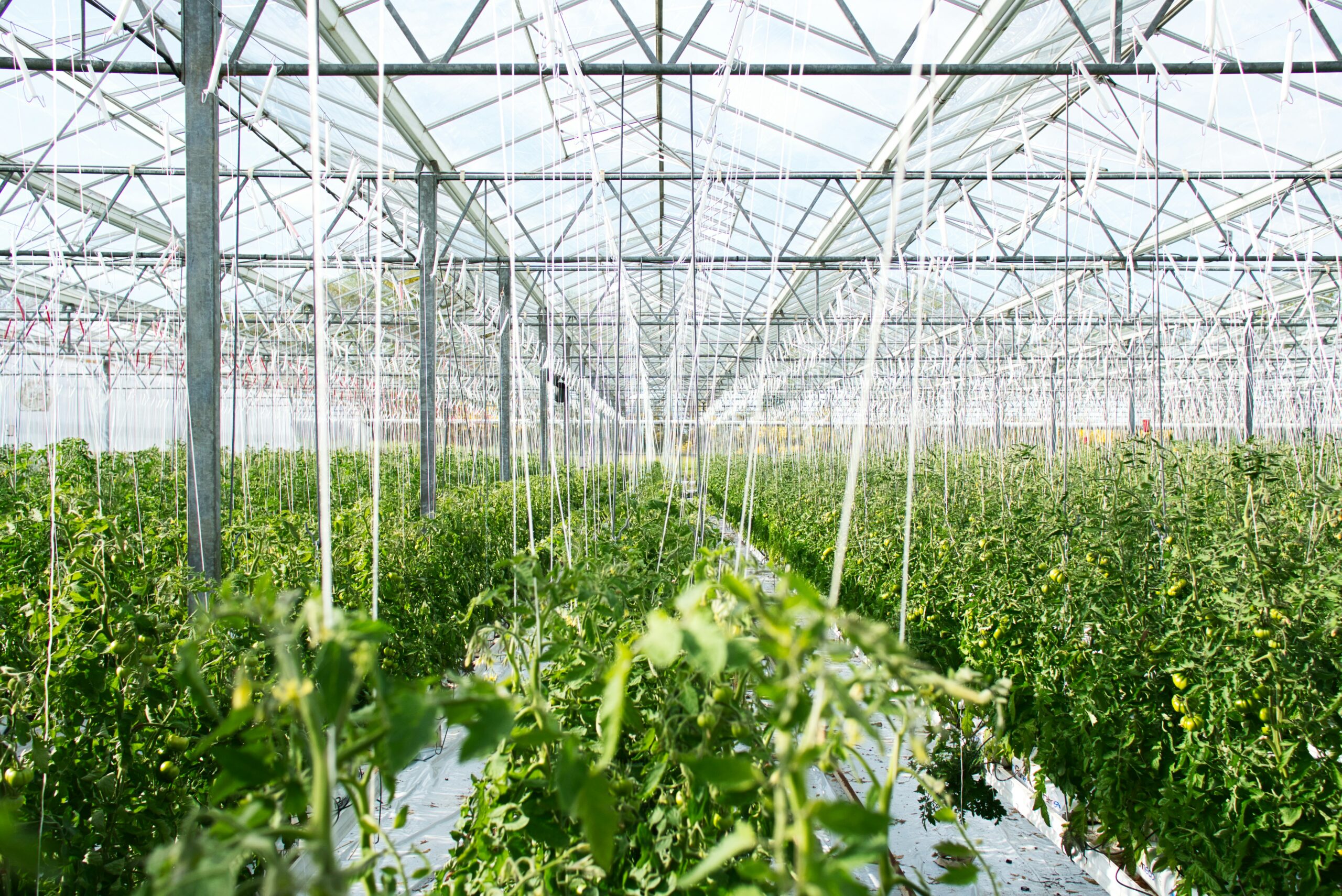
In recent years, technological advancements have revolutionized nearly every industry, and agriculture is no exception. Modern farming practices have undergone significant transformation, driven by innovations that aim to increase productivity, improve sustainability, and reduce labor intensity. This article explores the profound impact of technology on modern agriculture, highlighting key developments and their implications.
Precision Agriculture
One of the most transformative advancements in agriculture is precision farming. This approach utilizes data and technology to optimize field-level management concerning crop farming. Tools such as GPS-guided tractors, drones, and soil sensors enable farmers to monitor crop health, soil conditions, and water levels in real time. By leveraging these insights, farmers can:
- Apply fertilizers and pesticides more efficiently, reducing waste and environmental impact.
- Optimize irrigation schedules to conserve water.
- Increase overall yield and profitability.
Automation and Robotics
Agricultural automation has alleviated labor shortages and reduced the physical demands of farming. Robots are now used for planting, weeding, and harvesting crops. For instance:
- Autonomous tractors can till and plant fields with minimal human intervention.
- Robotic harvesters can pick fruits and vegetables with precision, reducing damage to crops.
- Drones equipped with imaging technology can identify pest infestations or disease outbreaks early.
These technologies not only save time but also ensure consistency and quality in agricultural processes.
Biotechnology and Genetic Engineering
Advances in biotechnology have enabled the development of genetically modified organisms (GMOs) and hybrid crops that are resistant to pests, diseases, and extreme weather conditions. Key benefits include:
- Enhanced crop yields, which are crucial for feeding a growing global population.
- Reduced reliance on chemical pesticides and herbicides.
- Crops engineered for better nutritional profiles, addressing malnutrition in many parts of the world.
Internet of Things (IoT) in Smart Farming
The integration of IoT in agriculture has given rise to “smart farming,” where connected devices and sensors collect and analyze data to optimize farm operations. Examples include:
- Smart irrigation systems that adjust water delivery based on weather forecasts and soil moisture levels.
- Livestock monitoring systems that track animal health, movement, and feeding patterns.
- Predictive analytics for weather and market trends, helping farmers make informed decisions.
Blockchain and Supply Chain Transparency
Blockchain technology has brought transparency and traceability to the agricultural supply chain. Consumers are increasingly demanding information about the origins of their food, and blockchain enables this by:
- Recording every step of the supply chain, from farm to table.
- Ensuring authenticity and quality of produce.
- Helping farmers secure fair prices by eliminating middlemen.
Challenges and Considerations
Despite its benefits, the integration of technology in agriculture comes with challenges:
- High initial costs for advanced machinery and tools can be a barrier for small-scale farmers.
- The need for technical knowledge and training to operate sophisticated equipment.
- Concerns about data security and privacy in IoT-enabled farming.
- Ethical debates surrounding GMOs and their environmental implications.
Addressing these challenges will require collaborative efforts from governments, private sectors, and agricultural communities.
The Future of Agriculture
The future of agriculture lies in the continued adoption and innovation of technology. Vertical farming, artificial intelligence, and renewable energy integration are likely to shape the next era of farming. These advancements hold the potential to address food security challenges while promoting sustainable agricultural practices.
Conclusion
The impact of technology on modern agriculture is profound and multifaceted. From precision farming and automation to biotechnology and IoT, technology has enabled farmers to grow more with less, adapt to changing climates, and meet the demands of a growing population. While challenges remain, the opportunities for innovation and improvement in agriculture are boundless. As technology continues to evolve, so too will the ways in which we cultivate the food that sustains us all.
