


Launching a software project is more than writing code; it’s about navigating a landscape of unknowns. Every developer, engineer, and project manager knows that surprises can derail even the best-planned sprint. That’s where a structured approach like SWOT analysis and focused brainstorming becomes invaluable. Let’s break down how these tools help software teams anticipate risks, uncover opportunities, and build more substantial, more resilient projects.
What Is SWOT Analysis in Software Projects?

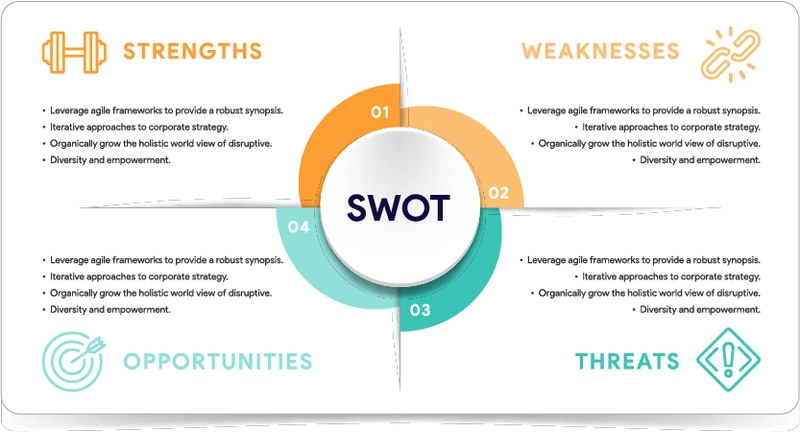
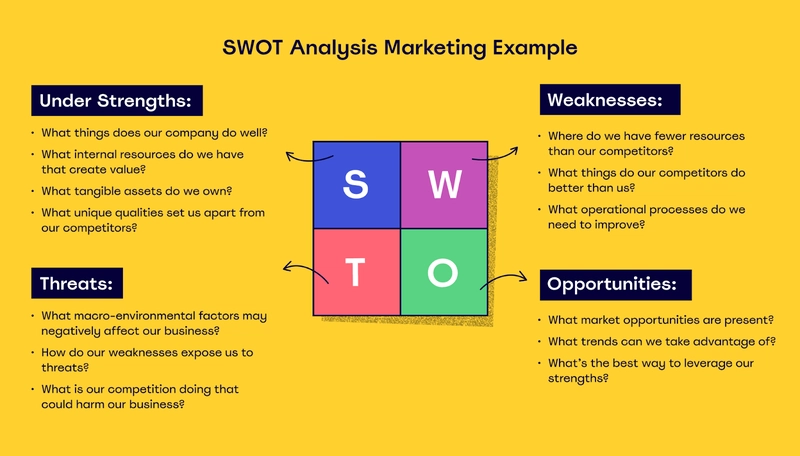
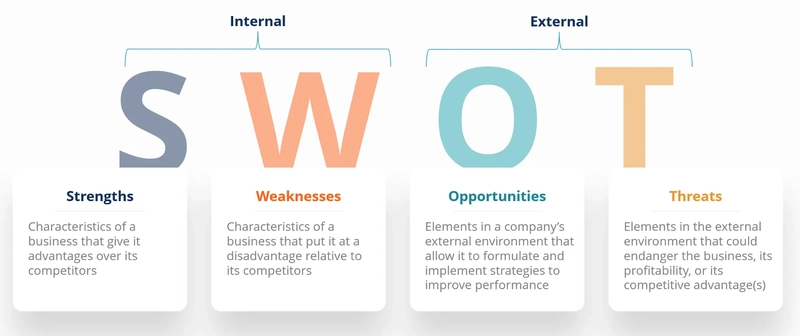
SWOT stands for Strengths, Weaknesses, Opportunities, and Threats. It’s a strategic planning tool used by software teams to assess both internal and external factors that could impact a project’s success. Unlike generic risk lists, a SWOT analysis is collaborative and tailored to your team’s unique context, technology stack, and business goals.
- Strengths: Internal strengths and resources that provide your team an edge (e.g., deep expertise in a framework, robust CI/CD pipelines).
- Weaknesses: Internal limitations or gaps (e.g., lack of experience with a new tech stack, insufficient documentation).
- Opportunities: External trends or events you can leverage (e.g., emerging market demand, new APIs).
- Threats: External risks that could hinder progress (e.g., regulatory changes, aggressive competitors).
A well-run SWOT session isn’t just about listing items- it’s about actionable insight. For developers, this means fewer nasty surprises and more time spent building great software.
Why Developers Should Care: The Real-World Impact

Software projects are notorious for unexpected blockers-dependency hell, shifting requirements, or sudden changes in team composition. By using SWOT analysis and brainstorming early, teams can:
- Spot technical debt before it bites.
- Identify gaps in test coverage or automation.
- Leverage new frameworks or APIs before competitors do.
- Prepare for scaling, security, or compliance challenges.
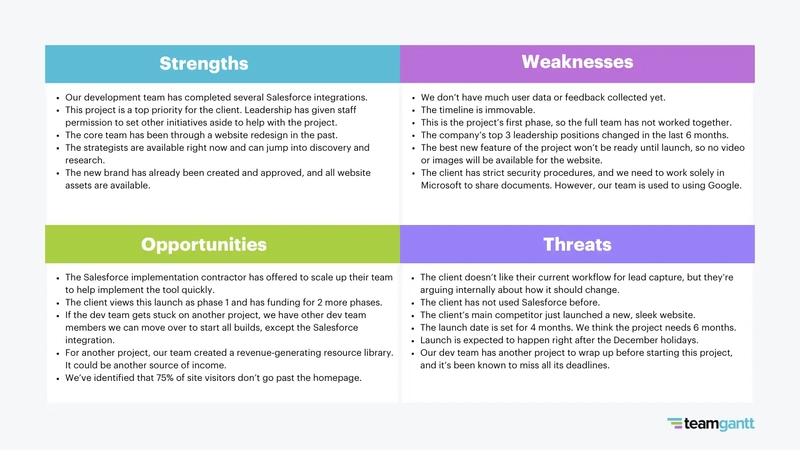
For example, a team launching a new SaaS platform might identify “strong DevOps automation” as a strength, “limited experience with cloud-native security” as a weakness, “rising demand for remote collaboration tools” as an opportunity, and “increased privacy regulations” as a threat. This clarity shapes everything from sprint planning to resource allocation
How to Run a Developer-Centric SWOT Analysis


1. Assemble a Cross-Functional Team
Include developers, QA, DevOps, product managers, and even customer support. Each brings a unique perspective on the codebase, QA spots test gaps, and PMs understand business risks.
2. Set the Stage for Brainstorming
- Use a collaborative tool or whiteboard.
- Start with a simple matrix: four quadrants labeled Strengths, Weaknesses, Opportunities, Threats.
- Encourage open, judgment-free contributions. The goal is breadth before depth.
3. Brainstorm Each Quadrant

Strengths
- What technical skills set us apart?
- Do we have reusable modules or libraries?
- Is our deployment pipeline robust and fast?
Weaknesses
- Where do we lack experience (e.g., new frameworks, cloud providers)?
- Are there known pain points in our workflow or codebase?
- Is documentation up to date?
Opportunities
- Are there new APIs, libraries, or frameworks we can adopt?
- Is there a market shift we can capitalize on?
- Can automation or AI tools reduce our manual workload?
Threats
- What external dependencies are risky?
- Are there upcoming regulatory changes?
- Is a competitor releasing a similar feature soon?
4. Prioritize and Validate
- Rank items by impact and likelihood.
- Validate assumptions-don’t just guess, check data (e.g., bug reports, velocity metrics, market research).
- Assign owners for follow-up investigation.
5. Turn Insights Into Action
- Convert top SWOT items into backlog tasks, spikes, or mitigation plans.
- Regularly revisit and update the SWOT as the project evolves.
Real-World Example: SWOT in Action
Let’s say your team is building a new microservices-based API:
- Strengths: Deep experience with containerization and Kubernetes; automated CI/CD.
- Weaknesses: Limited monitoring and alerting setup; lack of experience with distributed tracing.
- Opportunities: Growing demand for API integrations in your target market; new open-source observability tools.
- Threats: Recent security vulnerabilities in a core dependency; a competitor just open-sourced a similar service.
By surfacing these early, you can allocate time for observability setup, prioritize security reviews, and plan a marketing push around your unique integrations.
Brainstorming: The Developer’s Risk Radar

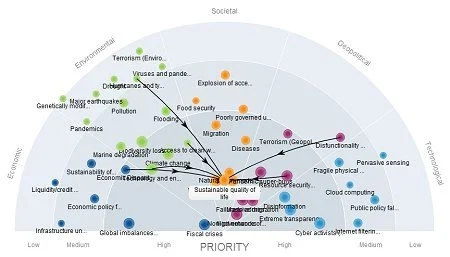
Brainstorming isn’t just a meeting-it’s a critical risk management technique. For developers, it means surfacing issues that might otherwise stay hidden until production. Here’s how to make your risk brainstorming effective:
- Keep it structured: Use checklists or prompt questions to guide discussion.
- Include both negative and positive risks: Don’t just focus on what can go wrong. Positive risks (opportunities) can drive innovation.
- Prioritize: Not all risks are equal. Focus on those with the highest potential impact.
- Document and revisit: Risks evolve. Regularly update your risk log as the project progresses.
For example, a team might identify the risk of “delays due to third-party API changes during a brainstorming session.” By flagging this early, they can build in feature toggles or fallback mechanisms.
Turning SWOT Insights Into Developer Productivity
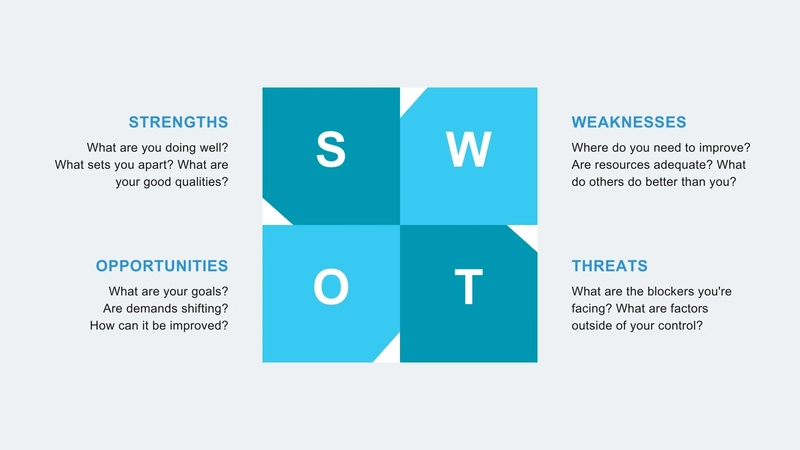
A SWOT analysis isn’t just a one-off exercise-it’s the foundation for more thoughtful planning and better productivity. Here’s how:
- Set Realistic Goals: Use SWOT findings to define achievable, SMART objectives.
- Allocate Resources Wisely: Leverage strengths, shore up weaknesses, and ensure critical areas have the proper support.
- Build Better Backlogs: Turn SWOT into actionable backlog tasks, spikes, or technical debt tickets.
- Improve Stakeholder Communication: Share the SWOT matrix with stakeholders to align expectations and build trust.




2 Comments
Excellent article that’s both deep and clear. The site is remarkably helpful.
Really impressive work on this article. I find the whole website extremely practical and reliable.