Close Menu
  • Home
  • Featured
  • Technologies
    • Frontend
      • JavaScript
      • AngularJS
      • ReactJS
      • HTML5 & CSS3
    • Backend
      • Java
      • PHP
      • C#
      • Node.js
      • Python
    • DevOps
      • Docker
      • Kubernetes
      • Gitlab
    • Databases
      • SQL
      • MySQL
      • MongoDB
      • SQLite
    • Cloud
      • AWS
      • Azure
      • GCP
    • Frameworks
      • .NET Core
      • .NET
      • Laravel
      • Bootstrap
    • S/W Testing
      • Selenium
      • PostMan
      • JMeter
  • Resources
  • Shop

Subscribe to Updates

Get the latest creative news from FooBar about art, design and business.

What's Hot

Functional vs Non-Functional Requirements in Software Development

April 14, 2026

Deep Dive into Docker Architecture

October 1, 2025

What is MVC in Laravel?

July 5, 2025
Facebook X (Twitter) Instagram LinkedIn WhatsApp YouTube
  • Featured

    Functional vs Non-Functional Requirements in Software Development

    April 14, 2026

    Deep Dive into Docker Architecture

    October 1, 2025

    What is MVC in Laravel?

    July 5, 2025

     Data Protection: Building Trust, Ensuring Compliance, and Driving Growth

    June 4, 2025

    A Beginner’s Guide to Virtualization and Containers.

    May 18, 2025
  • Tech
  • Gadgets
  • Get In Touch
Facebook X (Twitter) Instagram YouTube WhatsApp
Learn with MashLearn with Mash
  • Home
  • Featured

    Functional vs Non-Functional Requirements in Software Development

    April 14, 2026

    Deep Dive into Docker Architecture

    October 1, 2025

    What is MVC in Laravel?

    July 5, 2025

    Understanding Attributes in DBMS

    April 11, 2025

    VPN in Google Cloud Platform (GCP)

    April 4, 2025
  • Technologies
    • Frontend
      • JavaScript
      • AngularJS
      • ReactJS
      • HTML5 & CSS3
    • Backend
      • Java
      • PHP
      • C#
      • Node.js
      • Python
    • DevOps
      • Docker
      • Kubernetes
      • Gitlab
    • Databases
      • SQL
      • MySQL
      • MongoDB
      • SQLite
    • Cloud
      • AWS
      • Azure
      • GCP
    • Frameworks
      • .NET Core
      • .NET
      • Laravel
      • Bootstrap
    • S/W Testing
      • Selenium
      • PostMan
      • JMeter
  • Resources
  • Shop
Learn with MashLearn with Mash
Home » Virtual Private Network (VPN)
Security

Virtual Private Network (VPN)

Edwin MachariaBy Edwin MachariaOctober 20, 2024Updated:November 1, 2024No Comments2 Mins Read
Facebook Twitter Pinterest LinkedIn Tumblr Email
Share
Facebook Twitter LinkedIn WhatsApp Copy Link

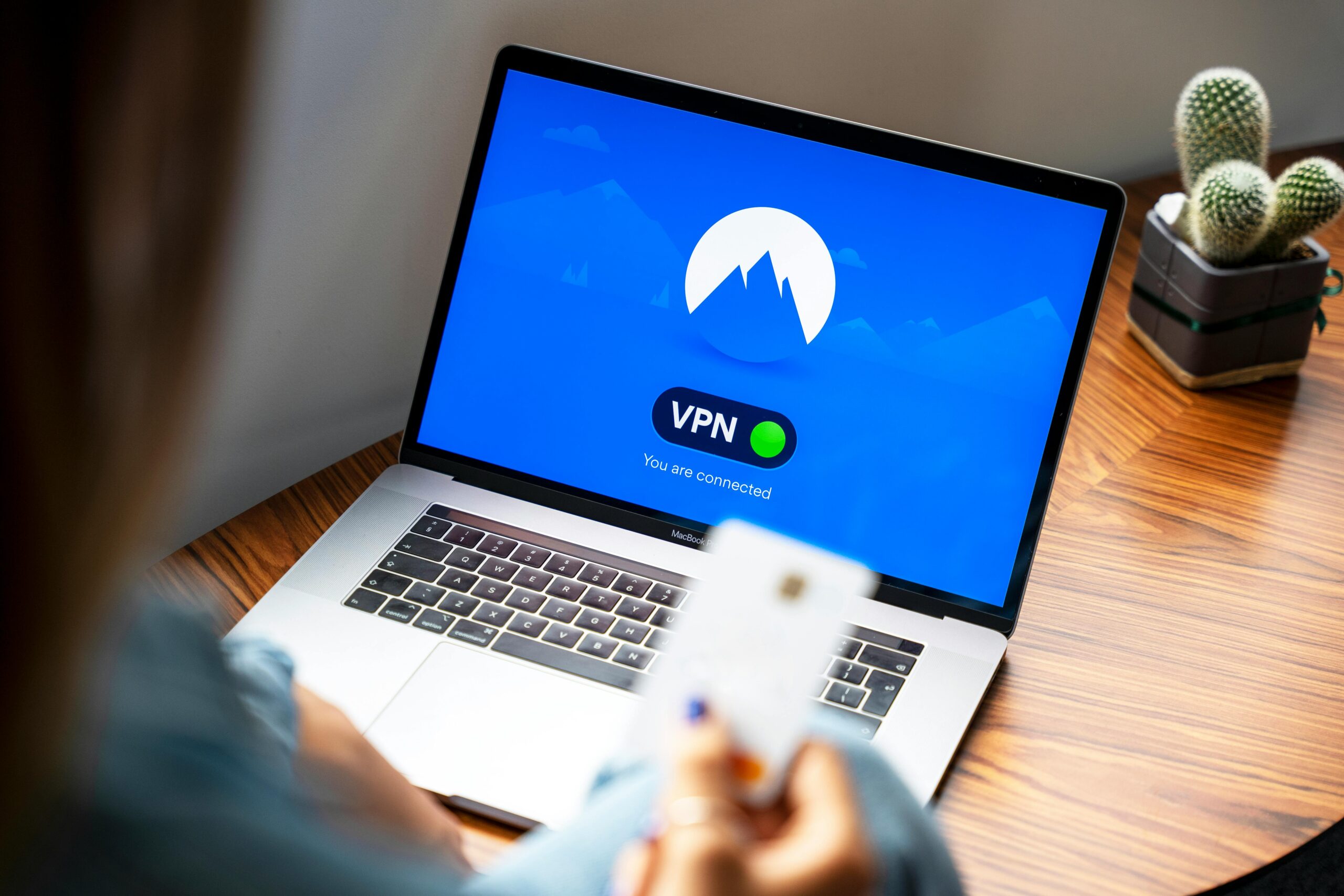
VPN stands for “Virtual Private Network”. It is a way to surf the Internet securely, even on public networks. VPNs encrypt Internet traffic and may also hide your online identity. This makes it more difficult to track your Internet activity or steal data. Encryption happens immediately when you go online.

How does a VPN work?

When a person uses a VPN connection, they hide the 
IP address by having the network reroute it through a specially configured remote server run by a VPN host. So when the person browses the Internet using a VPN, the VPN server becomes the source of the data. This makes it impossible for the 
Internet service provider or other third parties to see what websites are visited or what information is entered into the Internet. Instead of the actual IP address, the person only sees the IP address of the VPN server.

What are the benefits of a VPN connection?

Secure encryption: When someone uses a VPN, their online activities remain well protected, even on public networks. To read the data, you need a special key.

Location masking: VPN servers pretend to be in a different location on the internet. Since the location information comes from a server in another country, it’s hard to find out where the person really is. Additionally, most VPN services don’t keep records of what users have been doing.

Access regional content: A VPN allows you to access content that is normally only available in other countries. This is called “location masking.”

Secure data transfer: When you use a VPN, you connect to private servers and encrypt your data. This helps ensure that your data is transferred securely and cannot be intercepted by others.

featured
Share. Facebook Twitter LinkedIn WhatsApp
Edwin Macharia
  • Website

Software Engineer || Database Administrator || DevOps Developer || Certified Scrum Master

Related Posts

Functional vs Non-Functional Requirements in Software Development

April 14, 2026

Deep Dive into Docker Architecture

October 1, 2025

What is MVC in Laravel?

July 5, 2025

 Data Protection: Building Trust, Ensuring Compliance, and Driving Growth

June 4, 2025
Add A Comment
Leave A Reply Cancel Reply

Editors Picks

Functional vs Non-Functional Requirements in Software Development

April 14, 2026

Deep Dive into Docker Architecture

October 1, 2025

What is MVC in Laravel?

July 5, 2025

 Data Protection: Building Trust, Ensuring Compliance, and Driving Growth

June 4, 2025
Top Reviews
Advertisement
Learn with Mash
Facebook X (Twitter) Instagram YouTube LinkedIn WhatsApp
  • Home
  • Tech
  • Gadgets
  • Mobiles
  • Privacy & Policy
© 2026 Edwin Macharia. Designed by Movosoft Technologies.

Type above and press Enter to search. Press Esc to cancel.

Ad Blocker Enabled!
Ad Blocker Enabled!
Our website is made possible by displaying online advertisements to our visitors. Please support us by disabling your Ad Blocker.