

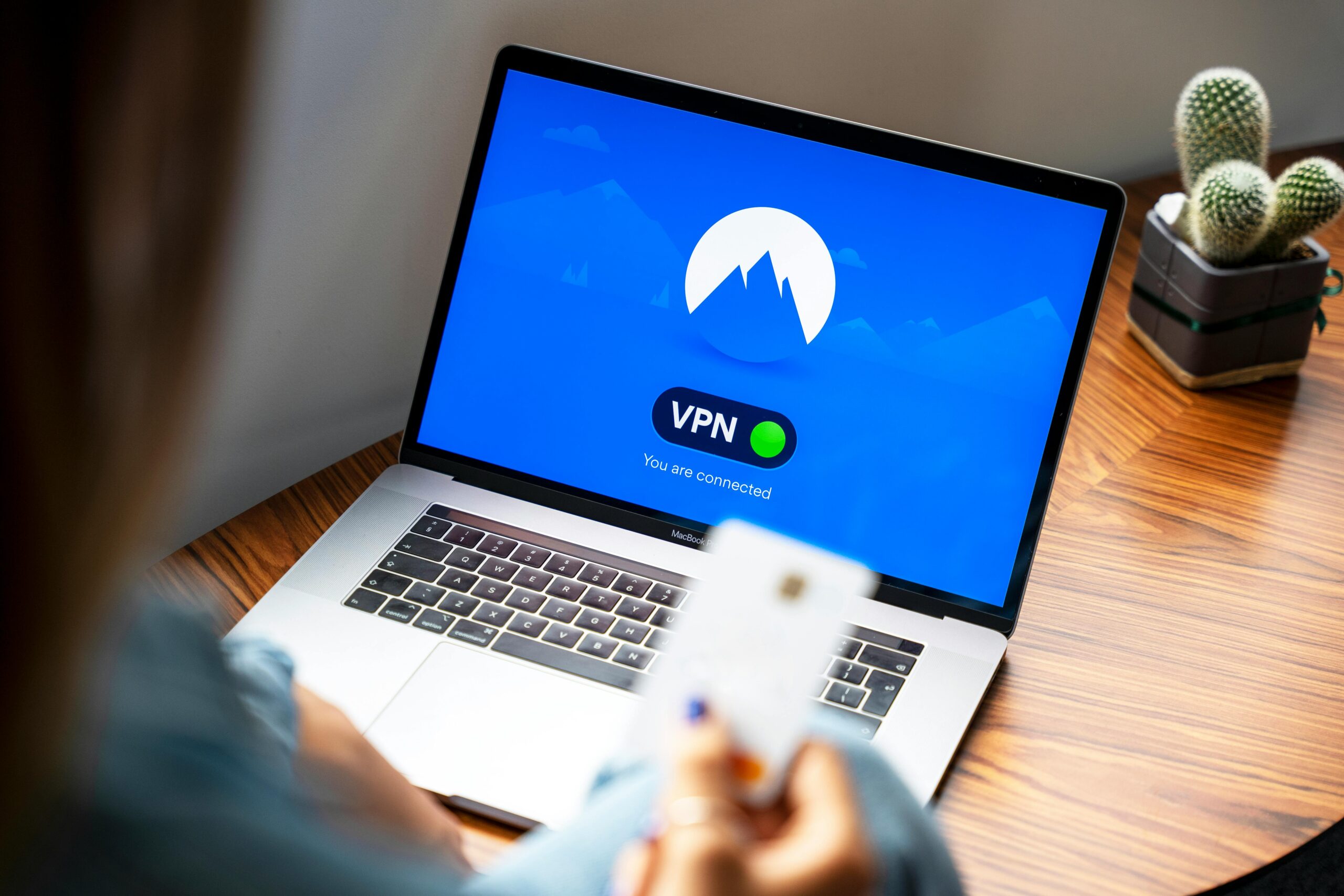
VPN stands for “Virtual Private Network”. It is a way to surf the Internet securely, even on public networks. VPNs encrypt Internet traffic and may also hide your online identity. This makes it more difficult to track your Internet activity or steal data. Encryption happens immediately when you go online.
How does a VPN work?
When a person uses a VPN connection, they hide the
IP address by having the network reroute it through a specially configured remote server run by a VPN host. So when the person browses the Internet using a VPN, the VPN server becomes the source of the data. This makes it impossible for the
Internet service provider or other third parties to see what websites are visited or what information is entered into the Internet. Instead of the actual IP address, the person only sees the IP address of the VPN server.
What are the benefits of a VPN connection?
Secure encryption: When someone uses a VPN, their online activities remain well protected, even on public networks. To read the data, you need a special key.
Location masking: VPN servers pretend to be in a different location on the internet. Since the location information comes from a server in another country, it’s hard to find out where the person really is. Additionally, most VPN services don’t keep records of what users have been doing.
Access regional content: A VPN allows you to access content that is normally only available in other countries. This is called “location masking.”
Secure data transfer: When you use a VPN, you connect to private servers and encrypt your data. This helps ensure that your data is transferred securely and cannot be intercepted by others.